What Are Thyroid Disorders?
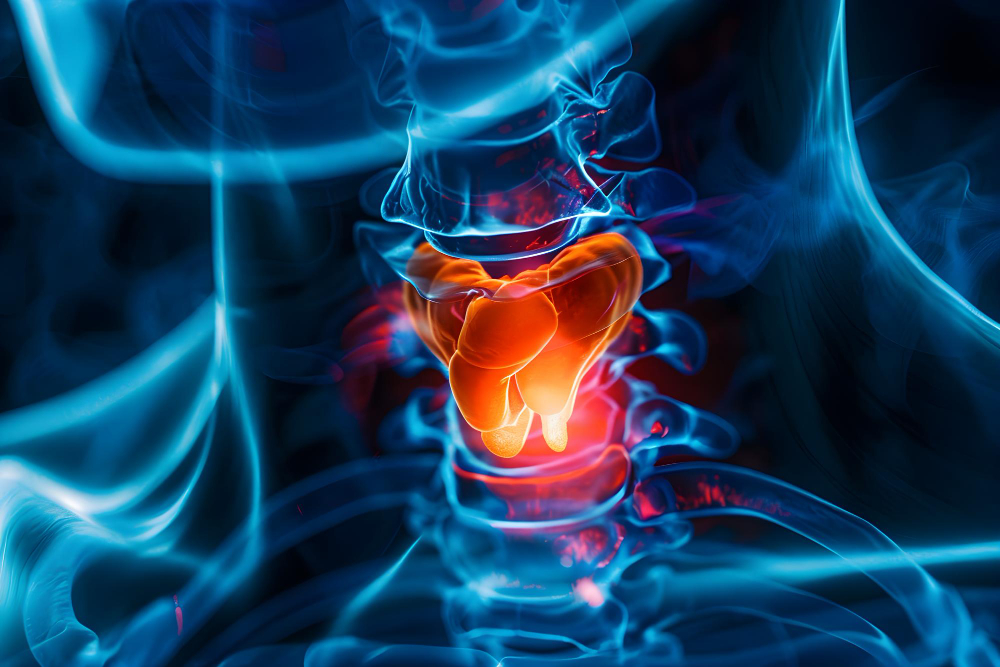
The thyroid is a small gland in your neck. It makes hormones that control many body functions. Thyroid disorders happen when this gland makes too much or too little hormone. Because these hormones affect your whole body, a thyroid hormone imbalance can cause many health problems. According to the World Health Organization, millions of people worldwide have thyroid disorders. Early detection is important for good health.
Common Types of Thyroid Disorders
There are several types of thyroid disorders. Each type affects your body in different ways. However, the most common types include:
How Thyroid Hormones Affect Your Health
Thyroid hormones play a big role in your body. For example, they help control your metabolism, which is how your body uses energy. They also affect your heart rate, body temperature, and even your mood. Because of this, a thyroid hormone imbalance can cause problems in many body systems. You may feel tired, gain or lose weight, or notice changes in your skin and hair. In addition, thyroid hormones help children grow and develop. So, healthy thyroid function is important for everyone.
Symptoms and Warning Signs
Thyroid disorders can cause many different symptoms. Sometimes, these signs of thyroid problems are easy to miss. However, common symptoms include:
If you notice these symptoms, it is important to talk to your doctor. Early treatment can help you feel better sooner.
Causes and Risk Factors
Many things can cause thyroid disorders. Sometimes, the immune system attacks the thyroid by mistake. This is called an autoimmune disease. Other causes include:
Knowing your risk can help you watch for early signs of thyroid problems.
Diagnosis: Tests and Procedures
Doctors use several tests to diagnose thyroid disorders. First, they may ask about your symptoms and family history. Next, they often do a physical exam to check your neck. Common tests include:
With these tests, doctors can find out if you have a thyroid hormone imbalance and decide on the best treatment.
Treatment Options
Treatment for thyroid disorders depends on the type and cause. However, most people can manage thyroid disorders with the right care. Common treatments include:
With proper treatment, most people live healthy lives. Always follow your doctor’s advice on how to manage thyroid disorders.
Prevention and Healthy Lifestyle Tips
While not all thyroid disorders can be prevented, you can lower your risk. For example, you can:
In summary, a healthy lifestyle supports good thyroid health. Early action can prevent serious problems.
Conclusion
Thyroid disorders are common but treatable. Because thyroid hormones affect your whole body, it is important to watch for signs of thyroid problems. If you notice symptoms or have risk factors, consult a healthcare specialist for personalized advice on thyroid disorders.