Introduction to Diabetic Retinopathy
Diabetic retinopathy is a common eye problem for people with diabetes. It happens when high blood sugar damages the tiny blood vessels in the back of your eye. This part of the eye is called the retina. Early signs and symptoms of diabetic retinopathy can be easy to miss. However, knowing what to look for can help you protect your vision. In the United States and worldwide, diabetic retinopathy is a leading cause of vision loss.
Why Early Detection Matters
Early detection of diabetic retinopathy is very important. When you catch the problem early, treatment can slow or stop vision loss. In fact, many people do not notice symptoms until the disease is advanced. For this reason, regular eye exams are key. Early warning signs of diabetic eye disease can be subtle, but they should not be ignored.
Early Signs and Symptoms
At first, diabetic retinopathy may not cause any pain or changes in vision. Still, some early signs and symptoms can appear. Watch for these changes:
Sometimes, these symptoms come and go. But if you notice any of them, it is important to act quickly. Even mild changes can signal early warning signs of diabetic eye disease.
Risk Factors
Some people are more likely to develop diabetic retinopathy. Knowing your risk can help you stay alert. Common risk factors include:
Additionally, people with both type 1 and type 2 diabetes are at risk. The longer you have diabetes, the higher your risk becomes.
When to See a Doctor
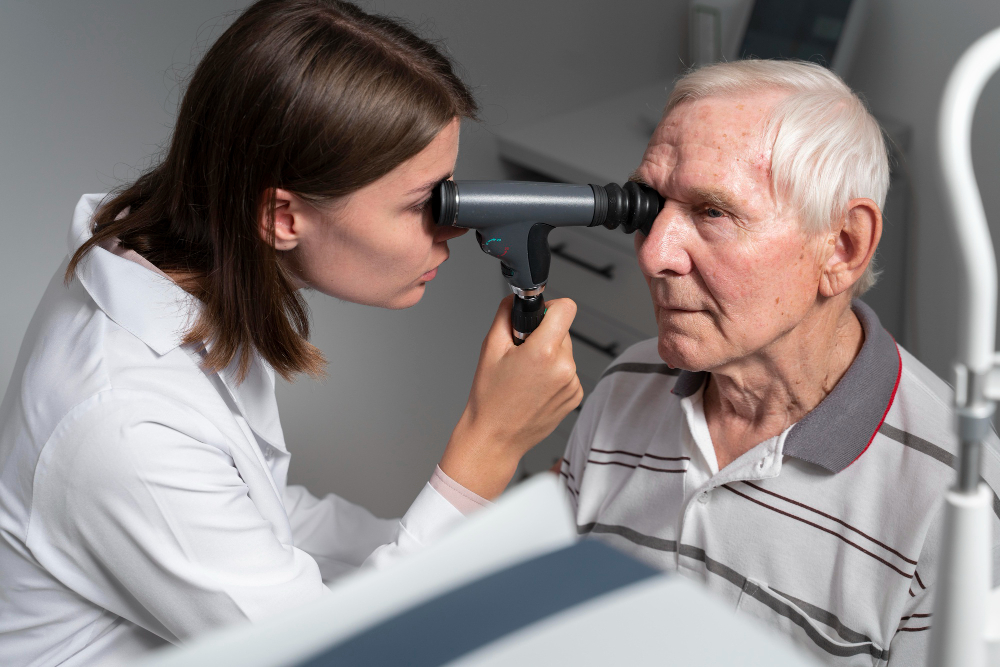
If you notice any changes in your vision, see an eye doctor right away. Even if you do not have symptoms, regular eye exams are important. Experts recommend that people with diabetes get a full eye exam at least once a year. Early detection helps doctors find and treat diabetic retinopathy before it causes serious problems.
Prevention Tips
While you cannot always prevent diabetic retinopathy, you can lower your risk. Try these tips:
By following these steps, you can help protect your eyes and overall health.
Conclusion & Call-to-Action
In summary, early signs and symptoms of diabetic retinopathy can be easy to miss. However, paying attention to your vision and having regular eye exams can make a big difference. If you notice any changes in your vision, consult a specialist for personalized guidance. Protecting your eyes starts with knowing what to look for and acting early.