
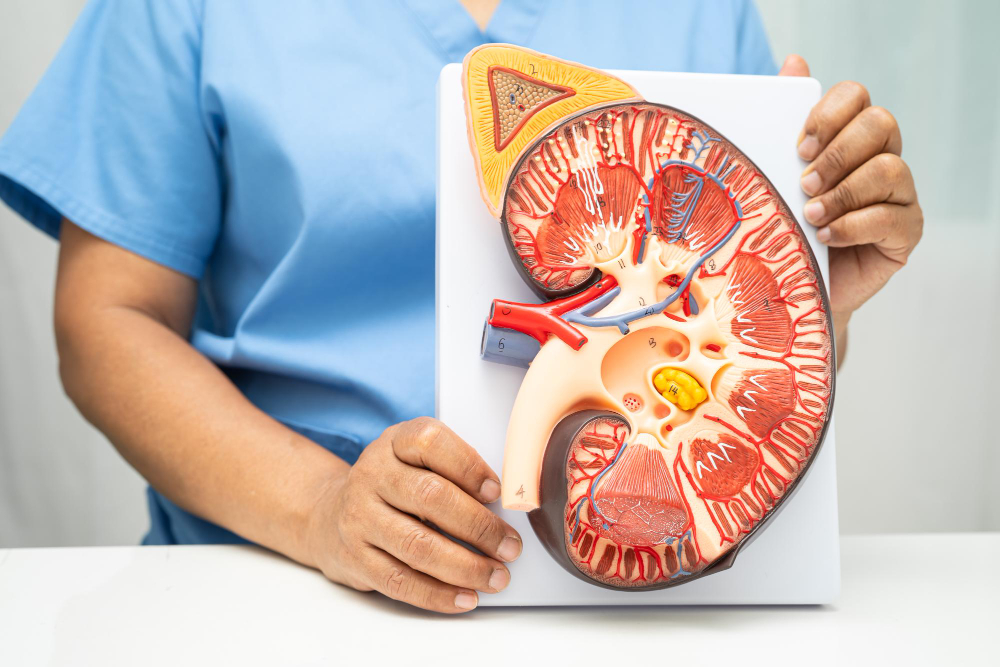
What is Diabetic Kidney Disease (Nephropathy)?
Diabetic kidney disease, also called diabetic nephropathy, is a serious problem that can happen to people with diabetes. It means the kidneys are damaged and cannot filter blood as well as they should. Because of this, waste and extra fluid can build up in the body. Over time, this can lead to kidney failure. According to the CDC, diabetic kidney disease is a leading cause of kidney failure worldwide.
How Diabetes Affects the Kidneys
When you have diabetes, your blood sugar levels can stay high for a long time. As a result, the tiny blood vessels in your kidneys can get damaged. These blood vessels help filter waste from your blood. However, when they are harmed, your kidneys cannot work properly. Over time, this damage can get worse. In many cases, it leads to diabetic nephropathy.
Main Causes of Diabetic Kidney Disease
Several things can cause diabetic kidney disease. Most often, high blood sugar is the main cause. But, there are other reasons too. Here are the main causes of diabetic nephropathy:
Because these causes often work together, it is important to manage all of them.
Risk Factors That Increase the Chances
While anyone with diabetes can get kidney disease, some people are at higher risk. For example, the following factors can increase your chances of developing diabetic nephropathy:
Because these risk factors can add up, it is important to know your own risks.
Early Warning Signs and Symptoms
Often, diabetic kidney disease does not cause symptoms at first. However, as the disease gets worse, you may notice:
Because these signs can be mild, regular check-ups are important. Early detection can help prevent serious problems.
How to Reduce Your Risk
There are many ways to lower your risk of diabetic kidney disease. For example, you can:
Because prevention is easier than treatment, these steps can help protect your kidneys. The CDC and WHO both recommend regular check-ups for people with diabetes.
Conclusion
In summary, diabetic kidney disease (nephropathy) is a serious but preventable problem. By managing your blood sugar and blood pressure, you can lower your risk. Early action and healthy habits make a big difference. Consult a healthcare specialist for personalized advice on diabetic kidney disease prevention and management.